ASH and Future
UPDATED 2026.01.04
What is the future of European ash (Fraxinus excelsior)? Do we need to put a point in the sentence "Ash and Future| in the middle, or can Ash survive?
European ash suffers from ash dieback all over Europe, and also in our forest. It is an important tree for us because our growing conditions are semi-wet, and from biology ash thrives on such soils. Ash stands somewhere between Oak and black alder in water demands.
We have very good ash regeneration and a few old ashes left. Alarming is the speed of disappearance of old ashes, and even 30-40-year-old trees are dying.
By observing ashes on the farm and elsewhere, we have found that there is more questions than answers about Ash dieback.
There are several ways in which ash dies:
- The tree canopy slowly dies, and then the tree fall down with almost no live branches
- A tree falls in the summer, full of green leaves
- dead trees stand for many years
Generally accepted that the death of ash is a result of the ash dieback fungus Hymenoscyphus fraxineus.
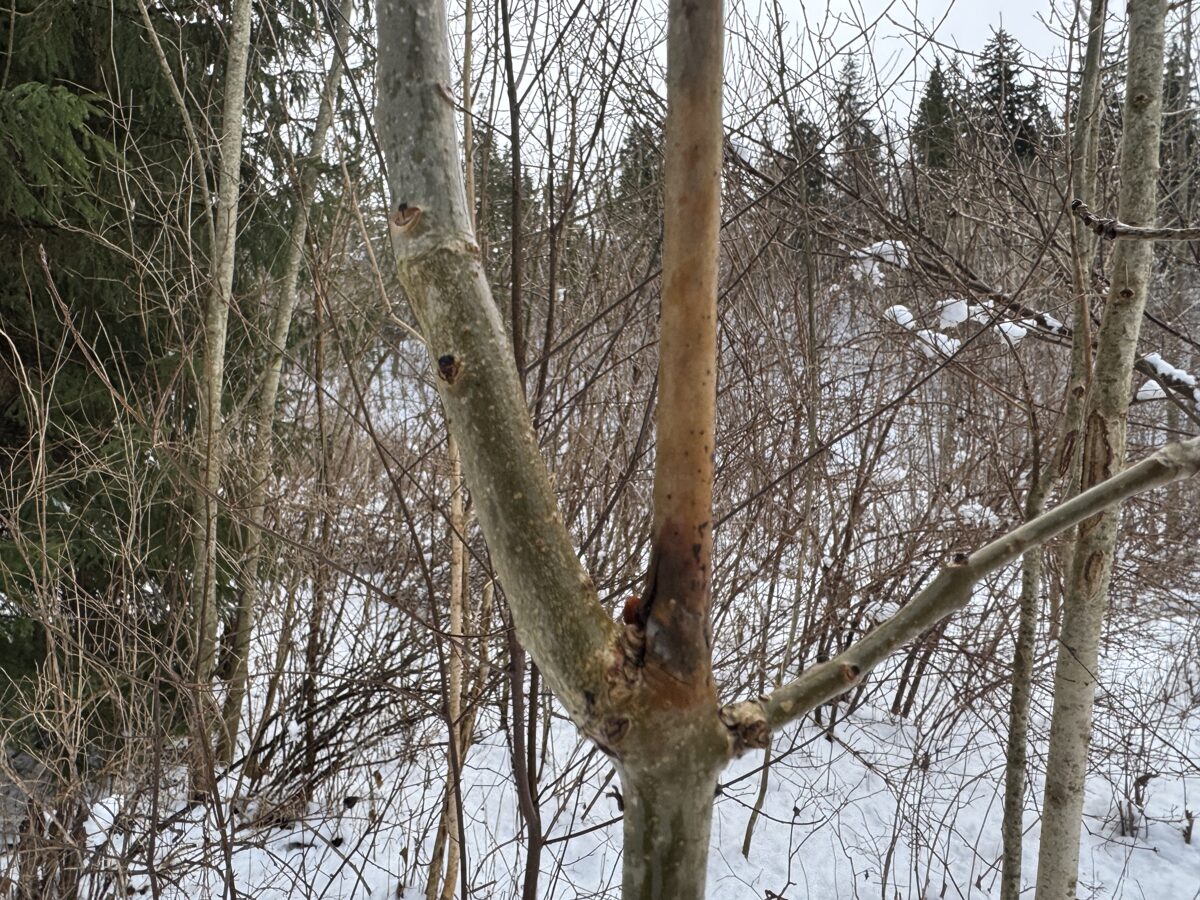
The dead top of Young tree. This is most probably Ash dieback, Hymenoscyphus fraxineus.
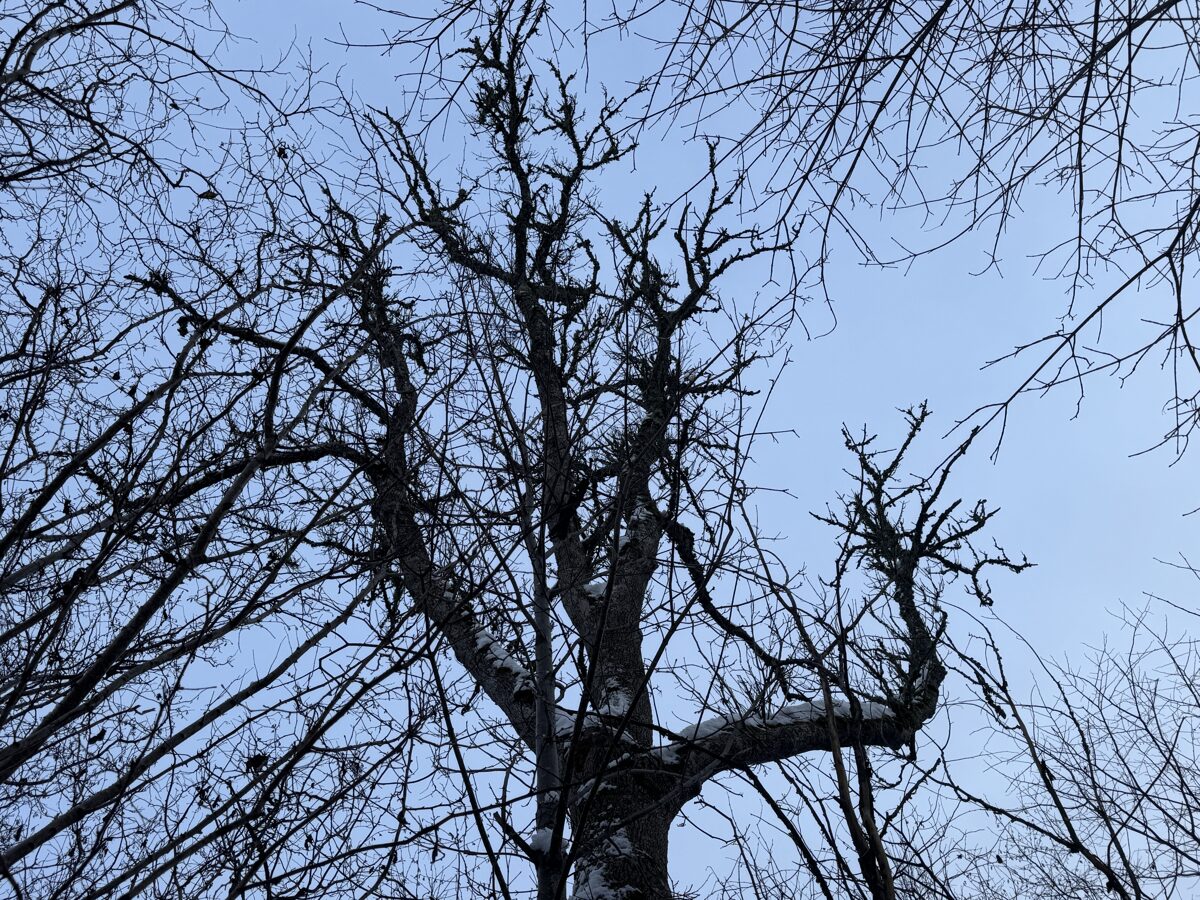
And there is also most probably the Hymenoscyphus fraxineus. on old tree.. the development of adventitious (epicormic) shoots is a stress response by the ash tree
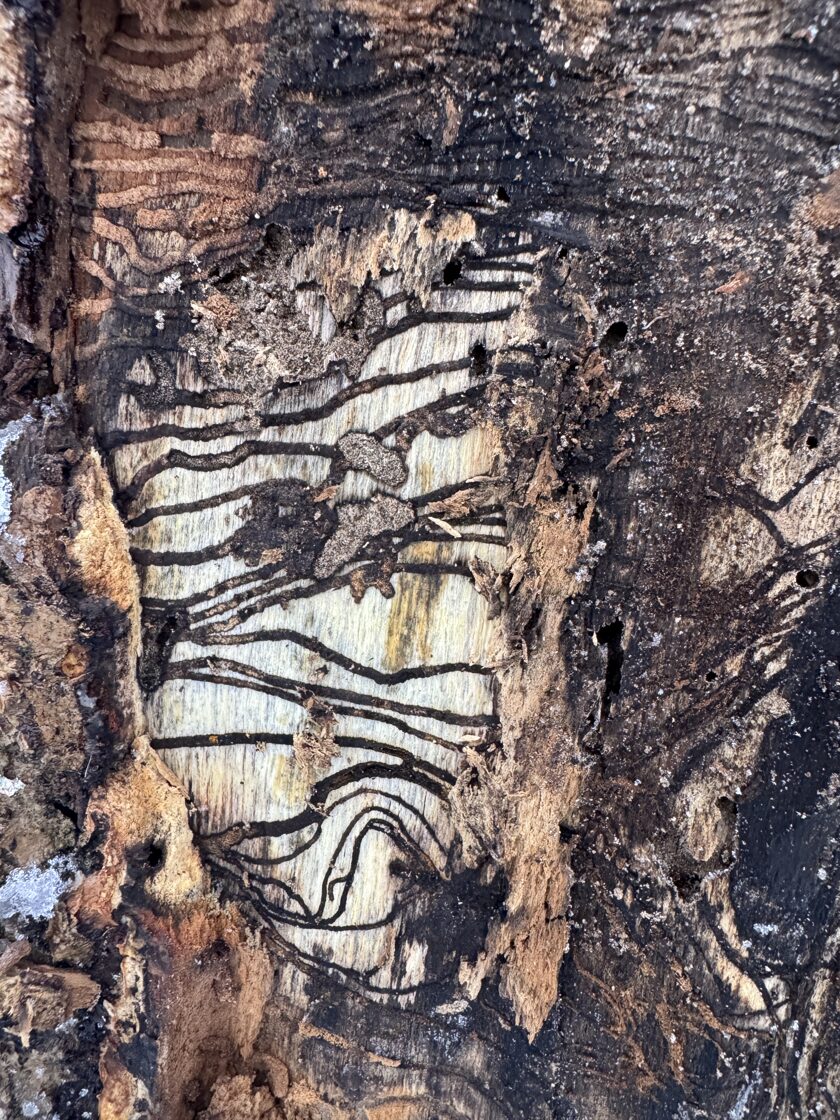
By observing trees tree trunks, there are damage to the sapwood by Ash bark beetle Hylesinus fraxini
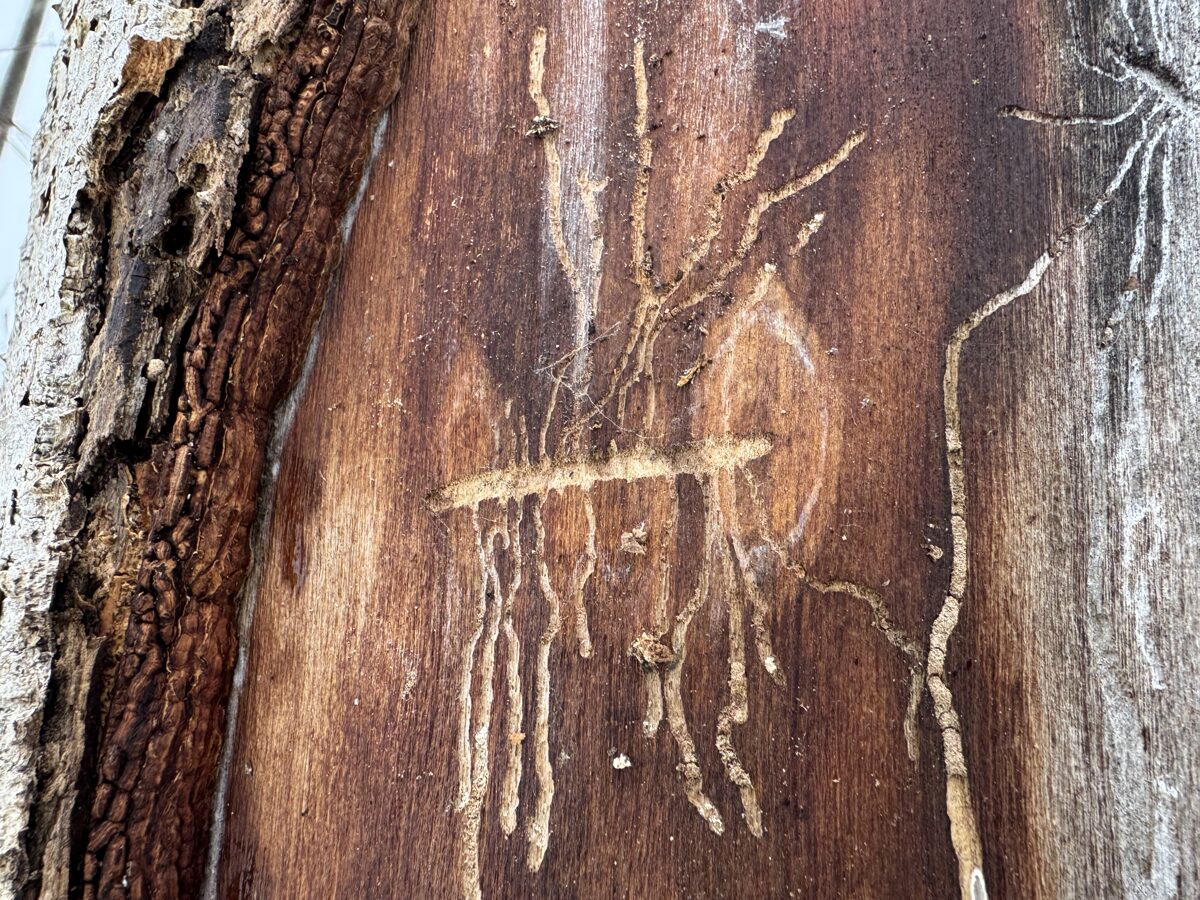
And there is a whole tree sapwood
eaten by ash bark beetle
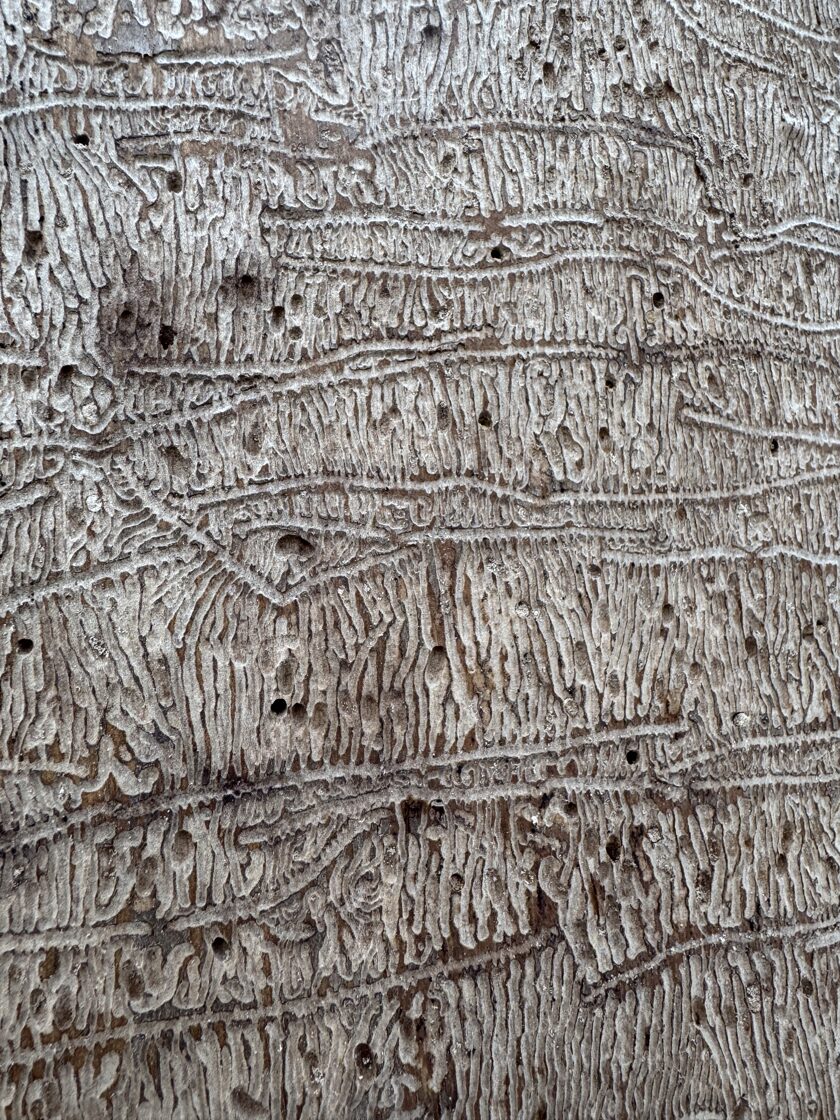
Ash bark beetle could be very high in canopy. This picture is taken from fallen adult tree top, branch diameter about 8 cm
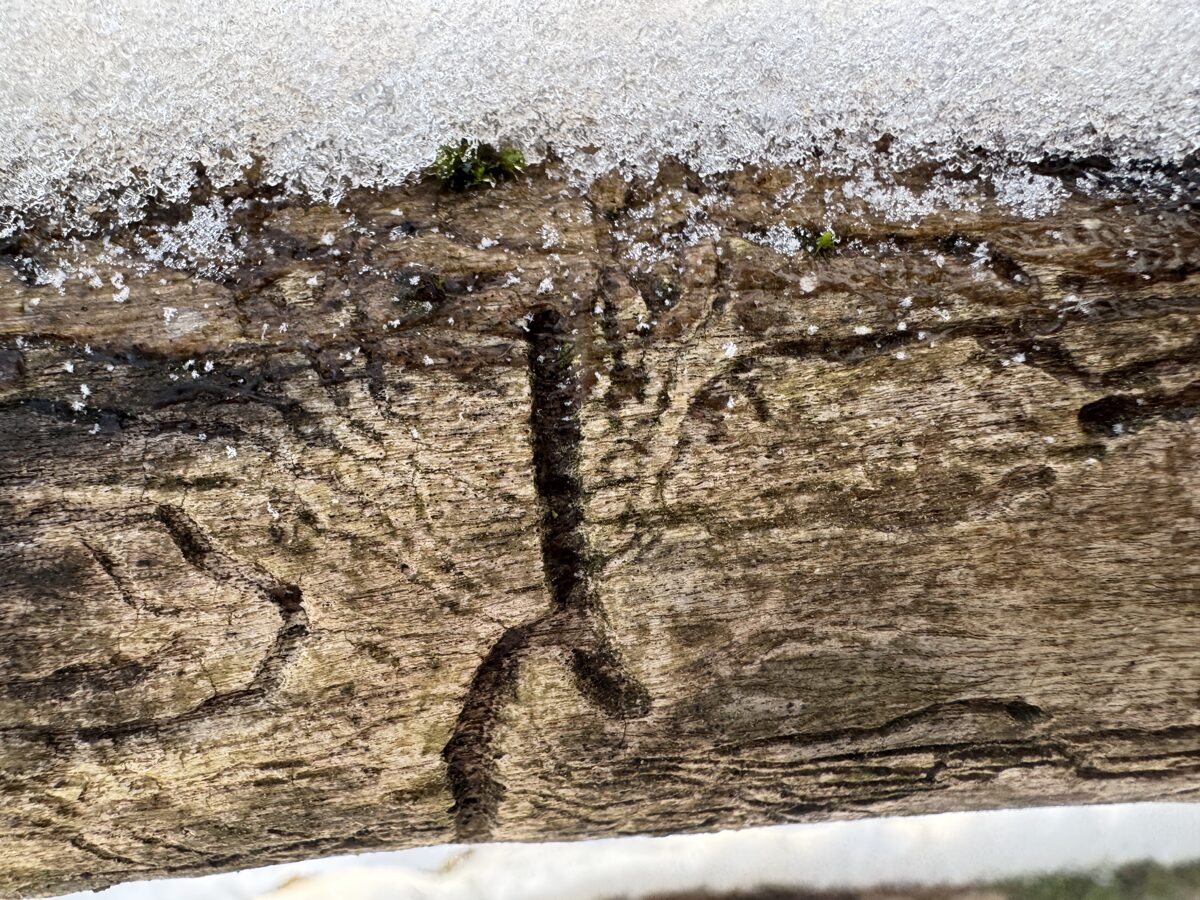
If trees have bark, then in the beginning stage, it can look like this with small holes on bark
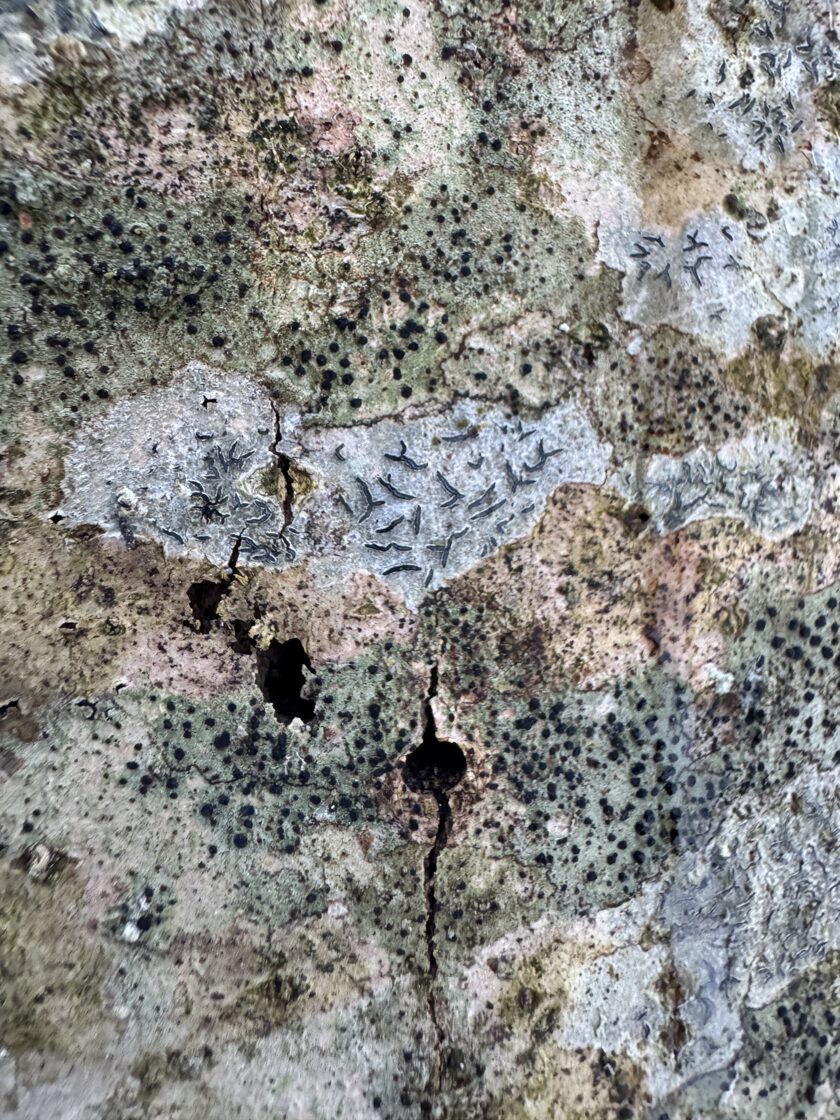
And at the end, there are two stages of death,
a) A dead tree is standing for years before Fallen
b) a live tree fallen to the ground, even with green leaves
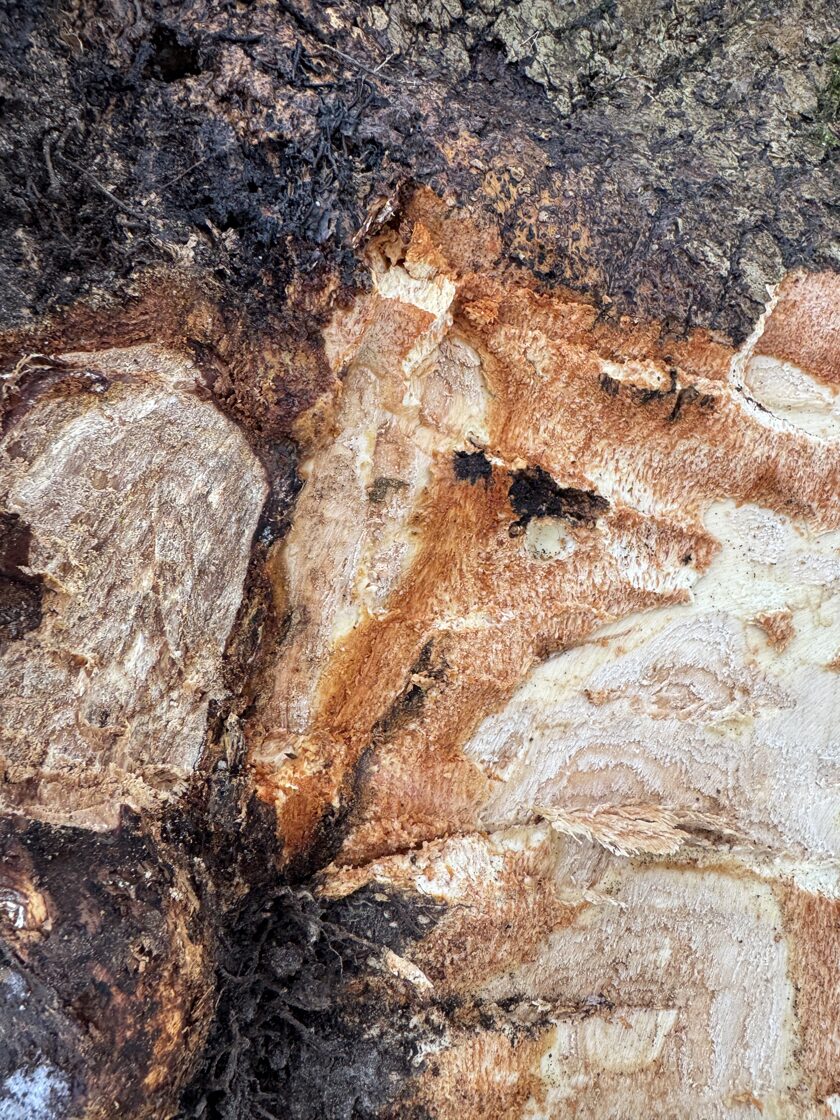
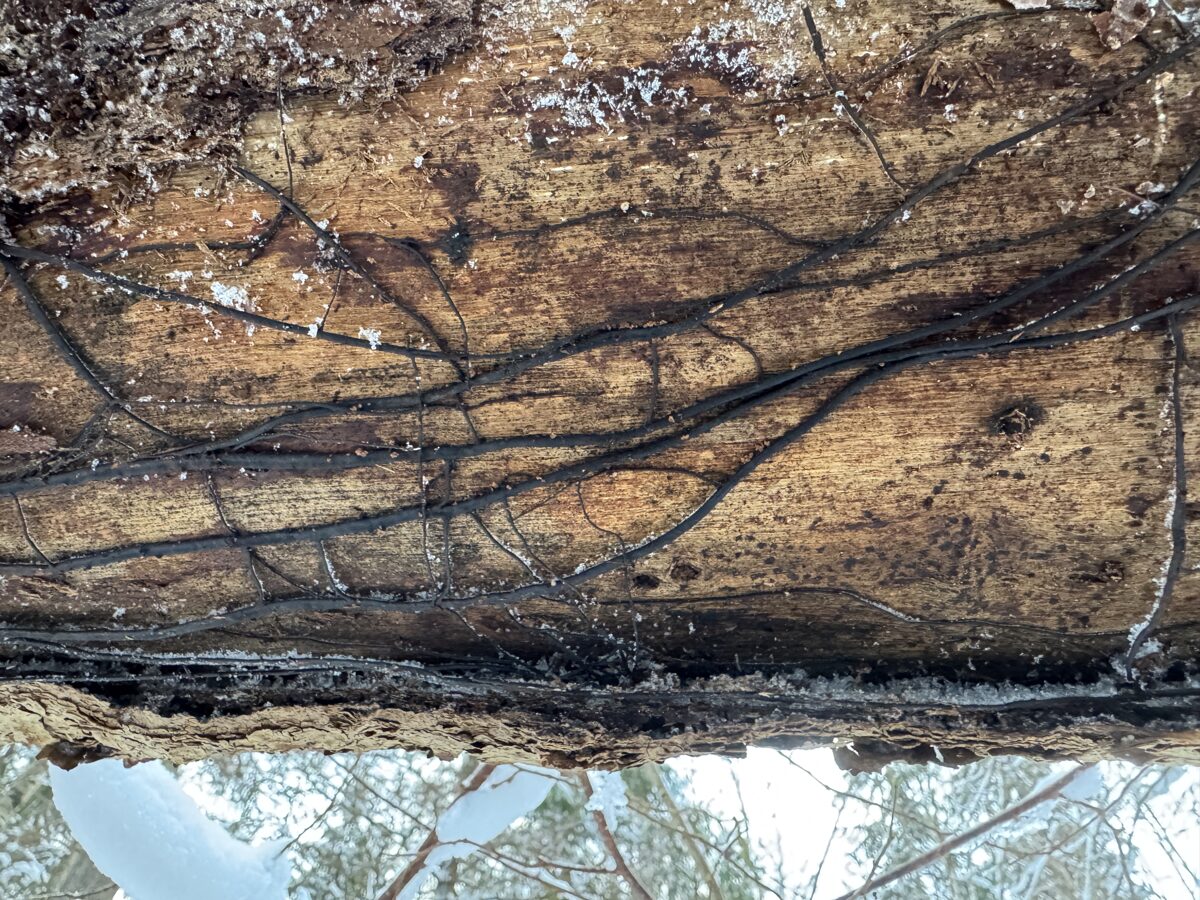
By looking at the root system, there are live and dead partitions of the timber. And here, most probably on an ash dieback weakened tree, is growing Common Honey Fungus Armillariella mellea or other fungi that grow on live, half-dead, dead, and dead trees, mostly under the earth.
Dead zone to the left, live to the right
Armillaria spp (Honey fungus?) rhizomorphs on a fallen ash trunk.
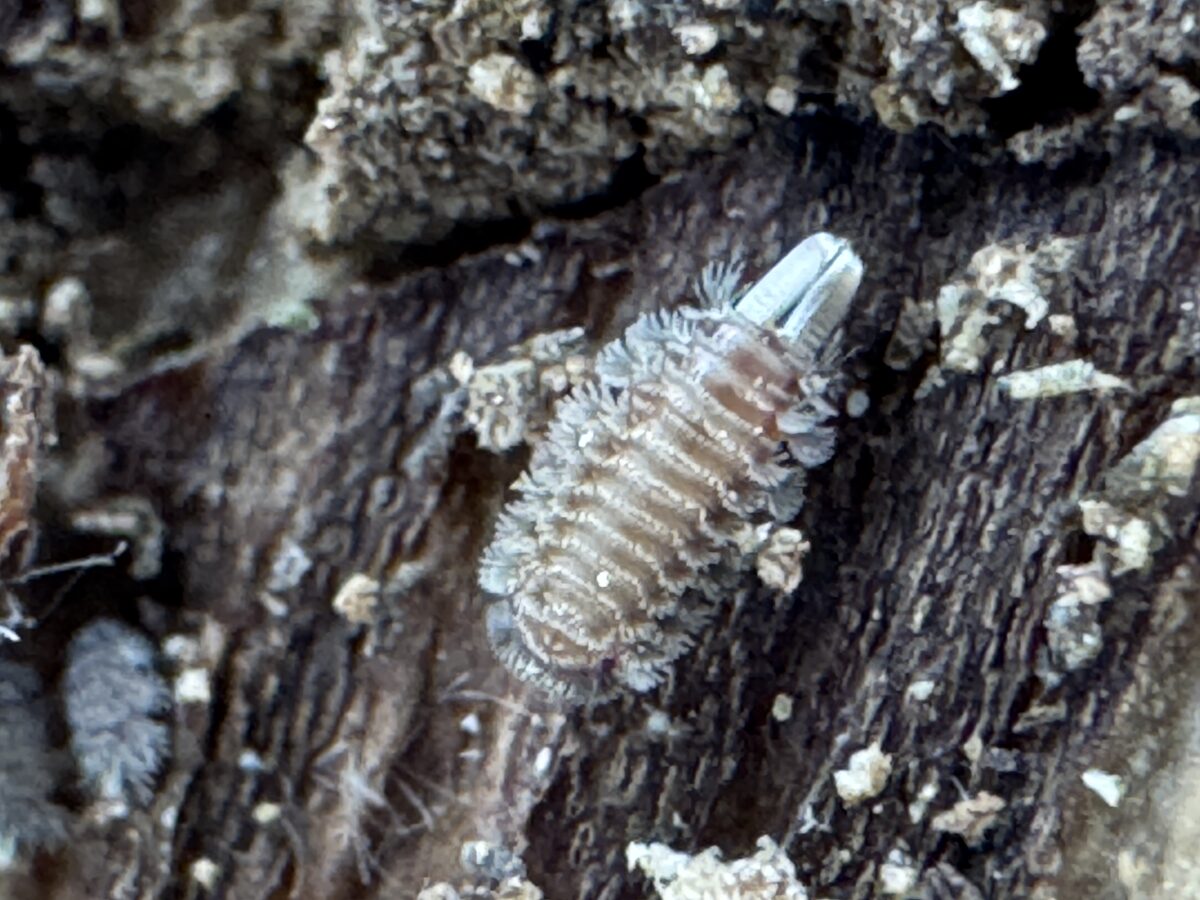
By looking under bark, there are possibilities to find some other staff like: bristly millipede Polyxenus lagurus
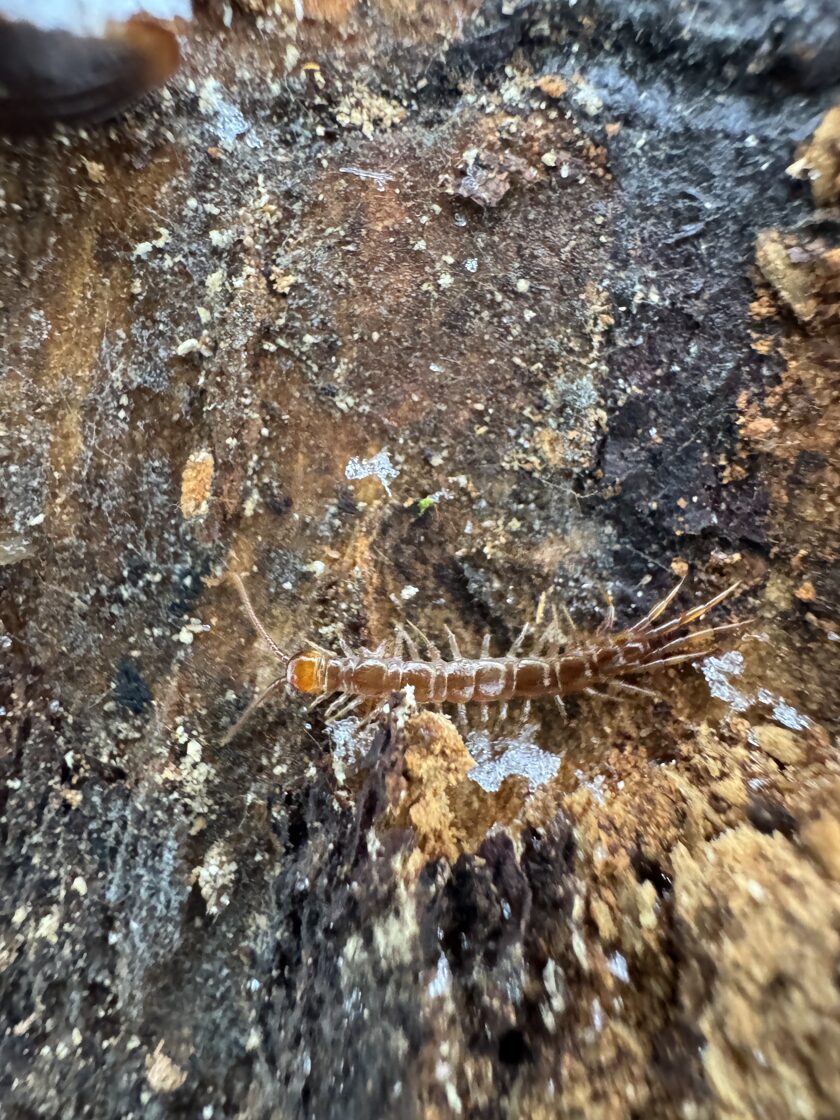
Banded Centipede Lithobius variegatus
Ash bark beetle cave system could house unknown fungus
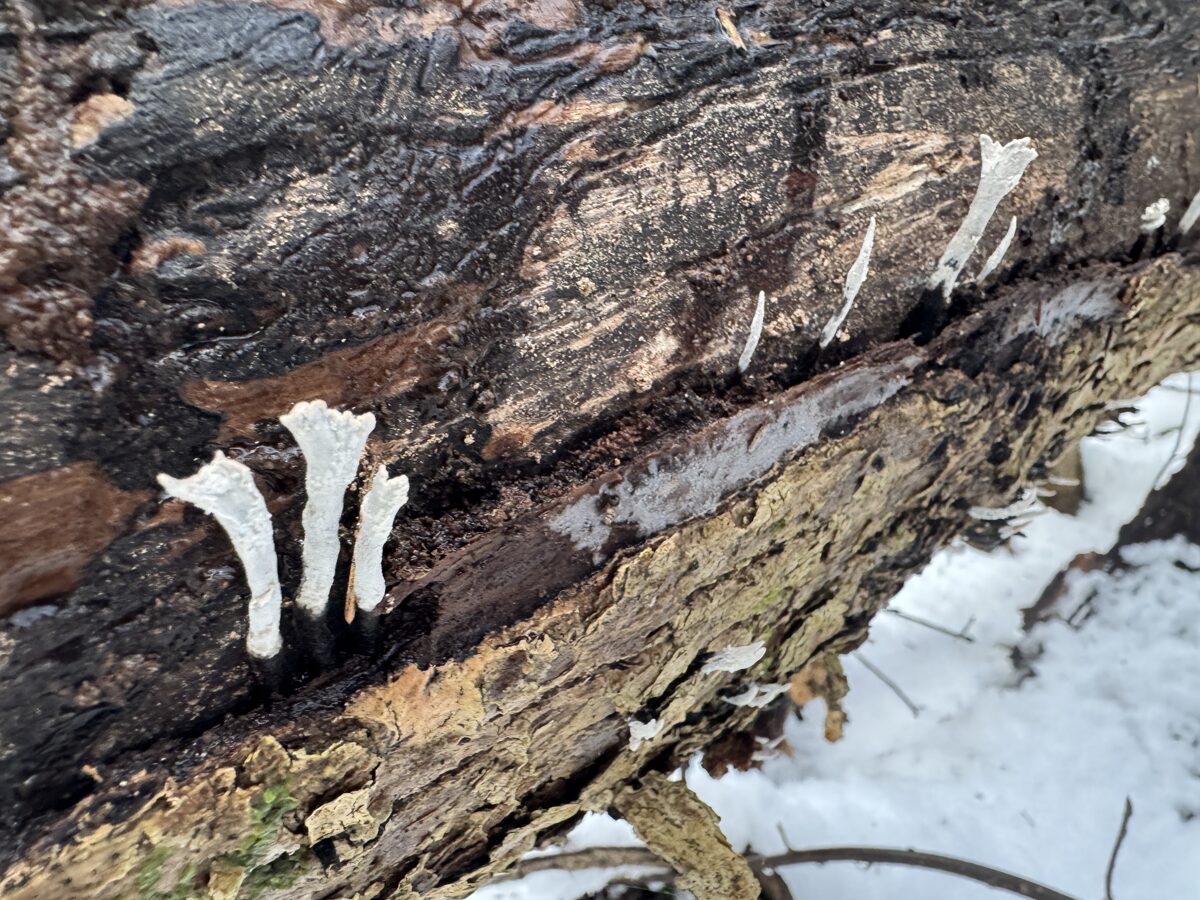
and bark edges can be perfect spot for Candlesnuff fungus Xylaria hypoxylon
Late Fenugreek Stalkball - Phleogena faginea on uprooted ash
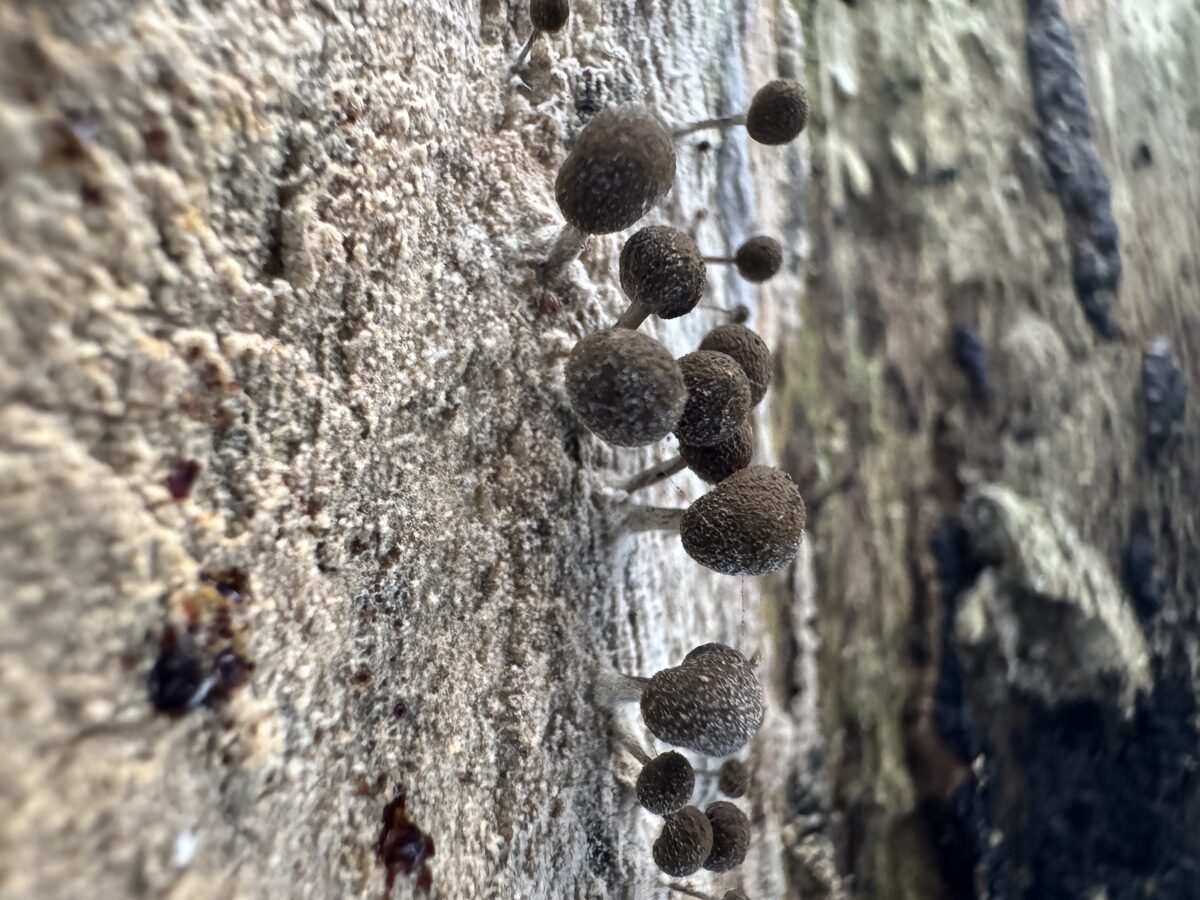
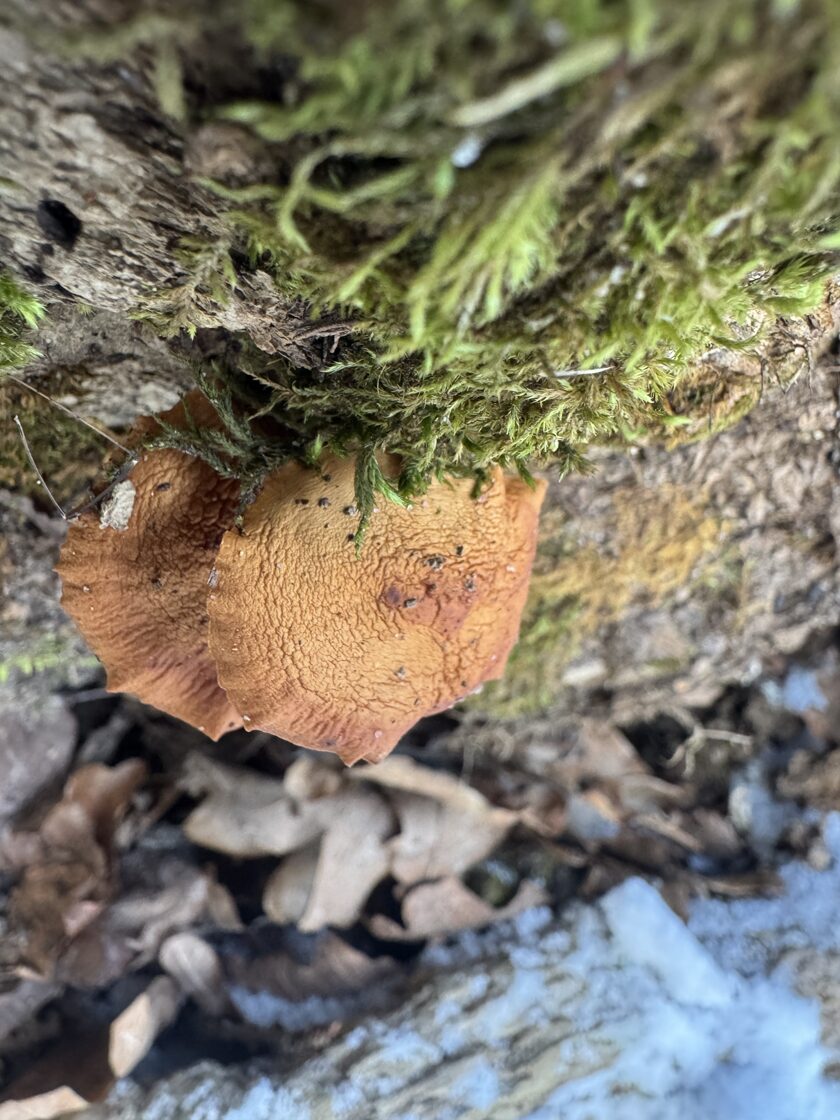
Unknown mushroom on fresh fallen ash